
Where the Eye Meets the Brain
Some vision problems don't start in the eye.
The eye is an extension of the brain. The optic nerve, the visual pathways, and the muscles that move the eye are all part of the neurological system. When something affects the brain — a stroke, a tumour, inflammation, multiple sclerosis, or high intracranial pressure — the eye often shows the first signs.
Neuro-ophthalmology sits at this intersection, and it requires both precision and patience.
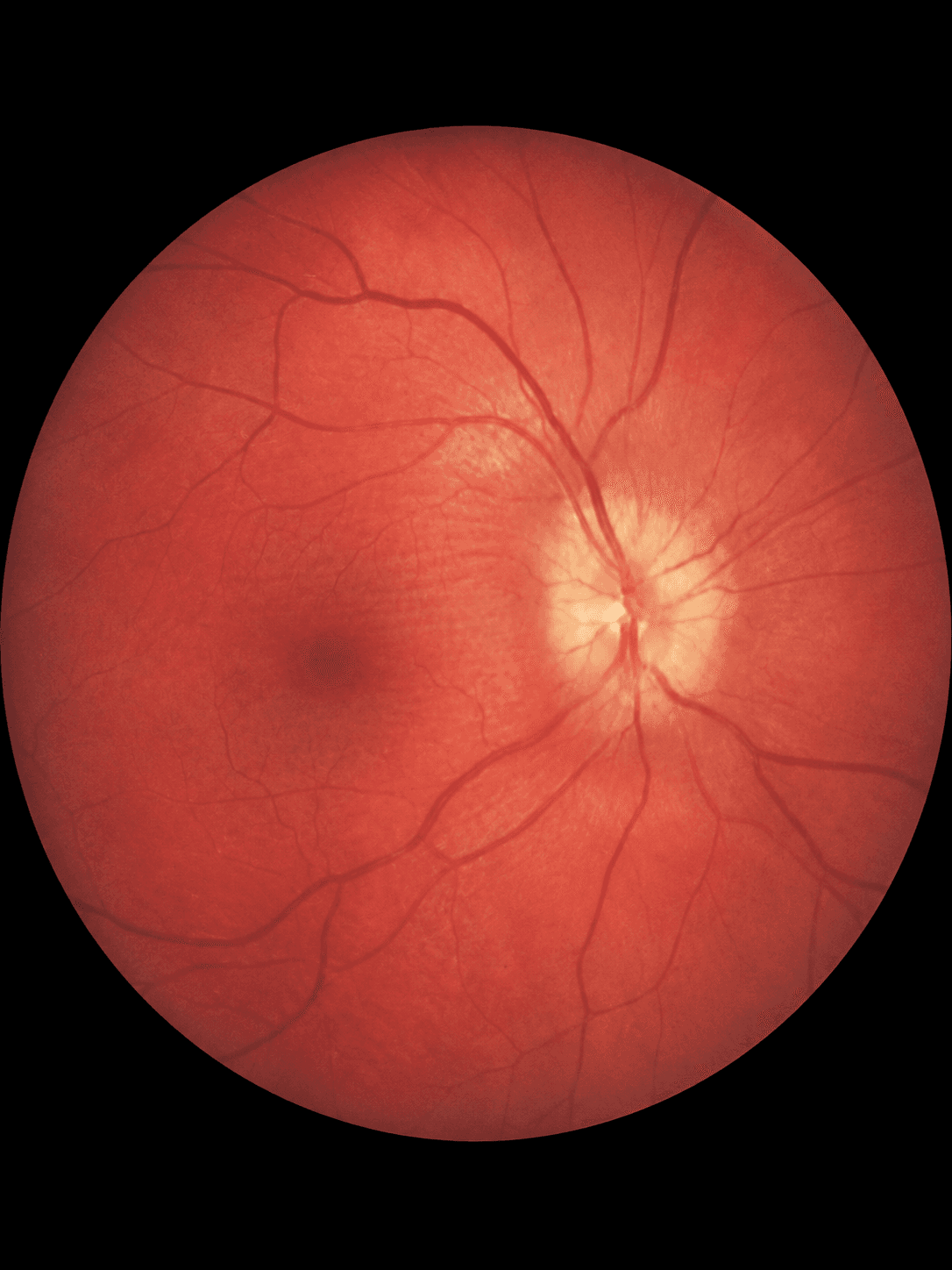
Conditions We Evaluate
Optic Neuritis
Inflammation of the optic nerve, causing vision loss and eye pain. Often the first presentation of multiple sclerosis.
Papilloedema
Swelling of the optic disc due to raised pressure in the brain. A serious finding that requires urgent investigation.
Double Vision (Diplopia)
Can be caused by nerve palsies, thyroid eye disease, or myasthenia gravis.
Visual Field Defects
Loss of specific areas of vision due to strokes or brain lesions.
Optic Atrophy
Damage to the optic nerve from various causes, resulting in permanent vision changes.
Unexplained Vision Loss
When the eye itself appears normal but vision is reduced.
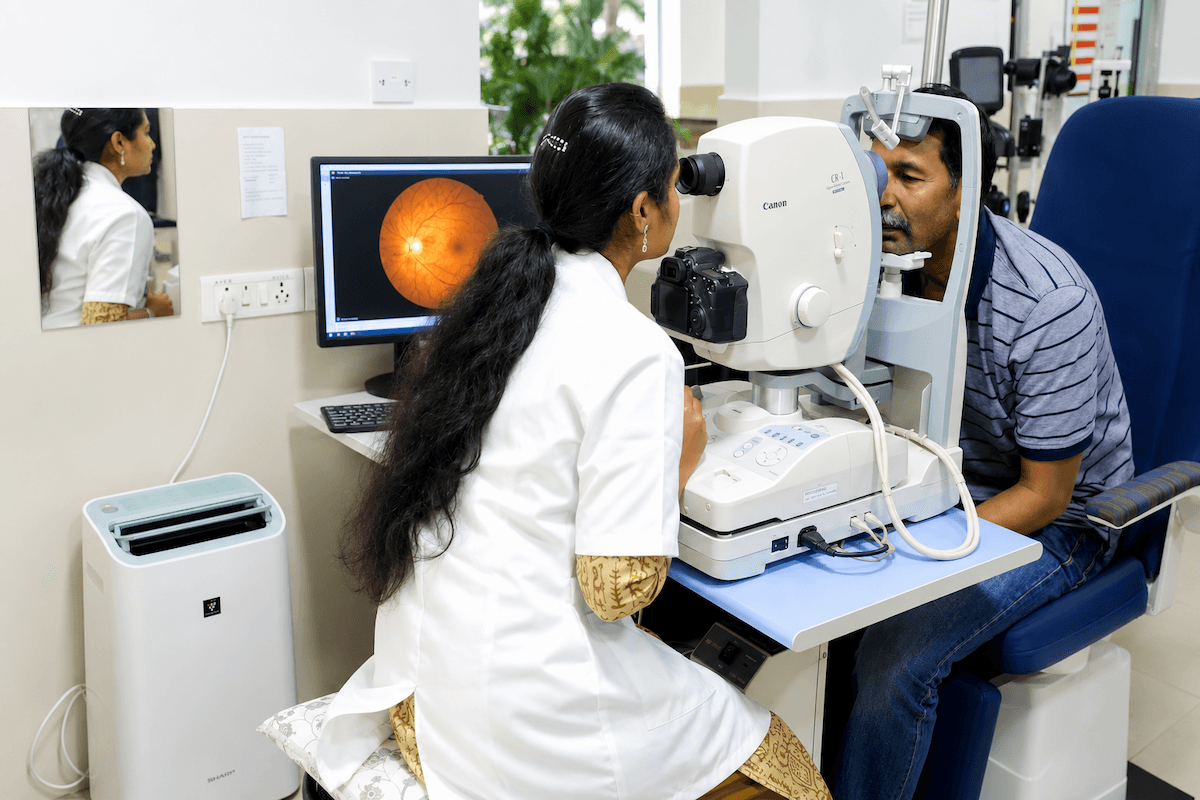
Our Approach
A thorough neuro-ophthalmic evaluation includes visual acuity, colour vision, visual field testing, pupil reactions, and detailed optic nerve assessment. Where needed, we coordinate with neurologists and order appropriate imaging. We work carefully, document thoroughly, and communicate findings clearly — to you and to any referring doctor.
Ready to take the next step? Call us — we will help you find the right appointment.
Book a Neuro-Ophthalmic Consultation