Silent. Irreversible damage. Treatable.
Glaucoma doesn't announce itself. That's exactly why we screen for it.
Most people with glaucoma don't know they have it — not until significant vision has already been affected. There is no pain, no sudden change, no warning sign you'd notice on your own. It moves quietly, damaging the optic nerve bit by bit through elevated pressure inside the eye.
The only way to catch it is regular annual screening.
What is Glaucoma?
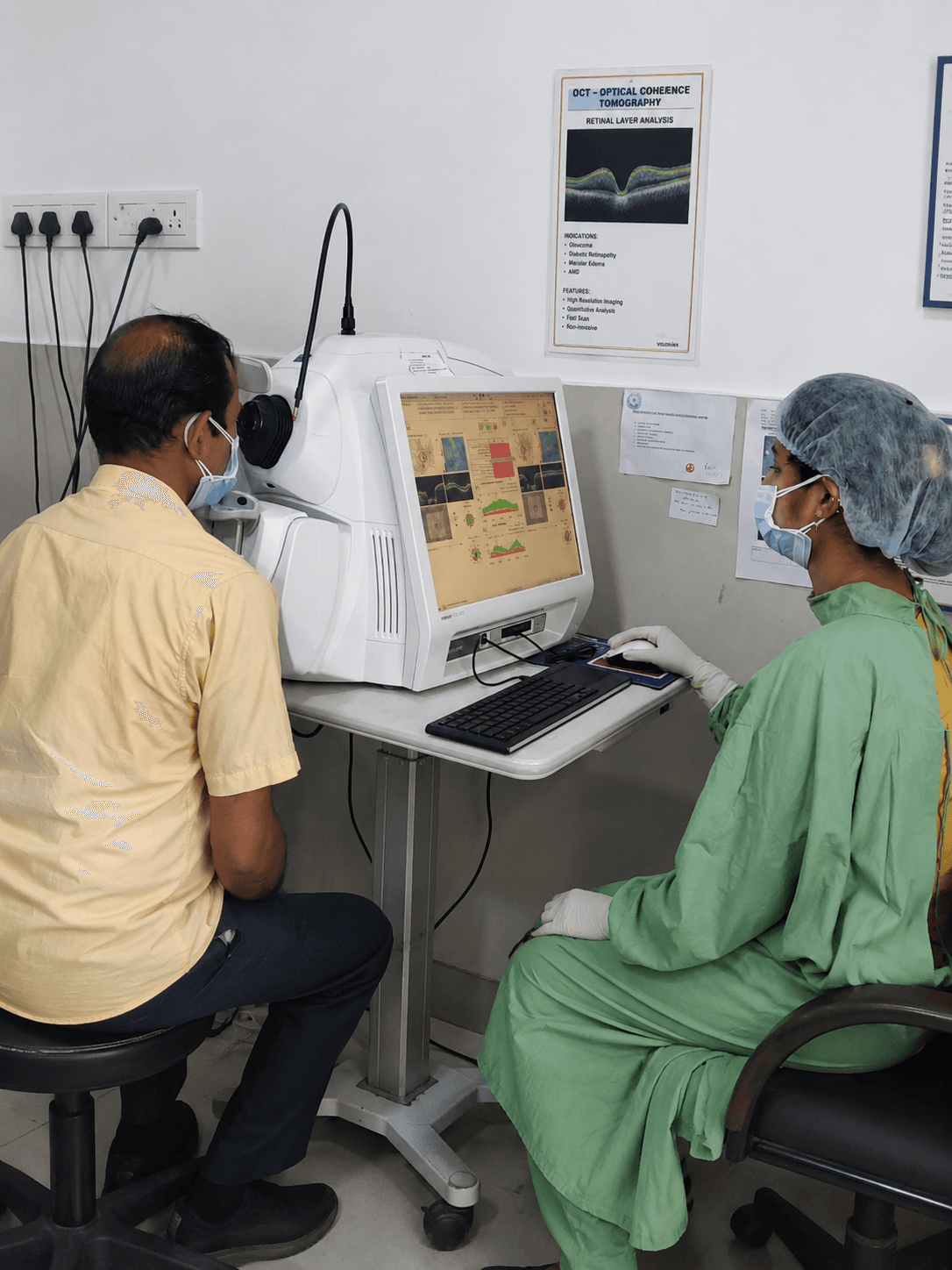
Glaucoma is a chronic progressive condition that damages the optic nerve — the cable that carries visual information from the eye to the brain. In most cases, this is caused by elevated intraocular pressure. Once lost, that nerve tissue cannot be restored. This is why early detection and consistent management matter more than almost anything else in eye care.
Types of Glaucoma
Open-Angle Glaucoma
Angle-Closure Glaucoma
Normal-Tension Glaucoma
Secondary Glaucoma
How We Manage It
80% of our glaucoma patients are managed medically — with prescribed eye drops that reduce intraocular pressure. Consistent use is critical.
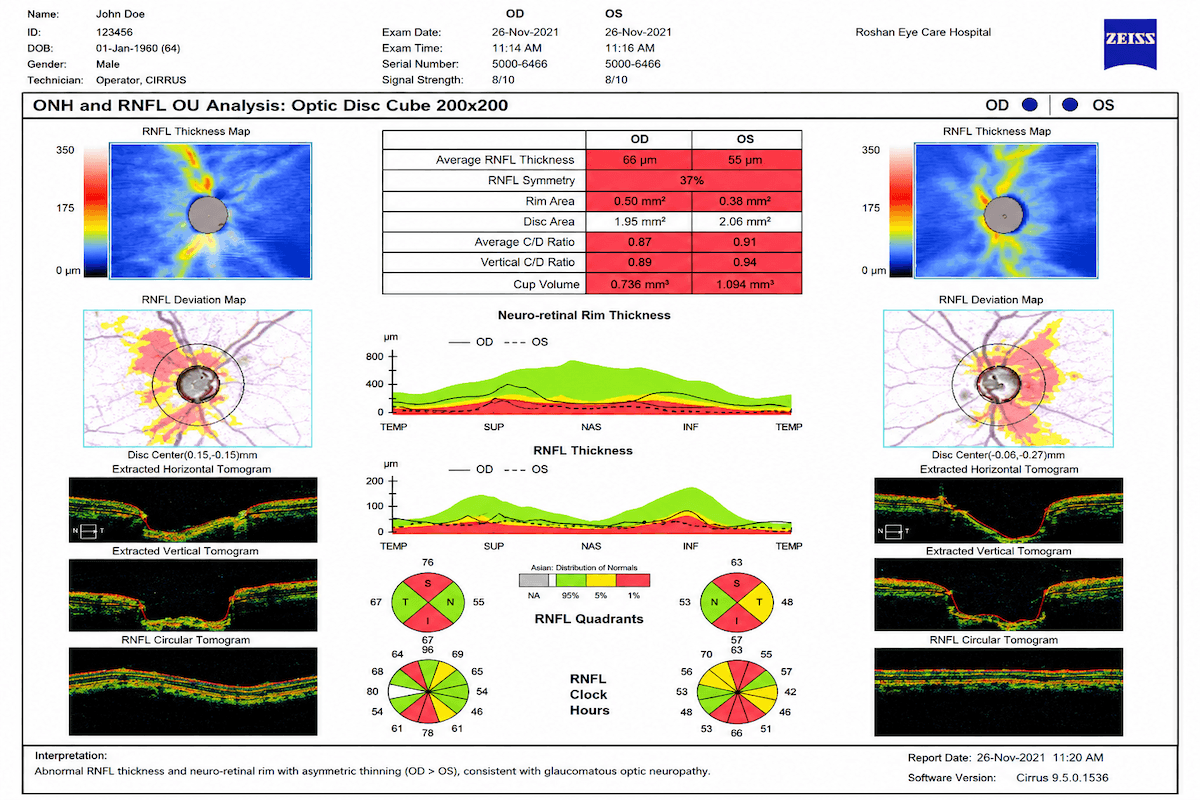
Trabeculectomy and laser Trabeculoplasties are considered when maximum medical treatment fails. Regular monitoring — intraocular pressure monitoring, visual field tests, optic nerve imaging — is the backbone of glaucoma care. We build a long-term management plan around each patient.
Who Should Get Screened
- Age 40 and above
- Family history of glaucoma
- Diabetic & hypertensive patients
- Anyone on long-term steroid medication
- High myopia (very high minus power)
Ready to take the next step? Call us — we will help you find the right appointment.
Book a Glaucoma Screening